

Steel Access Ladder California | GPS Fabrication
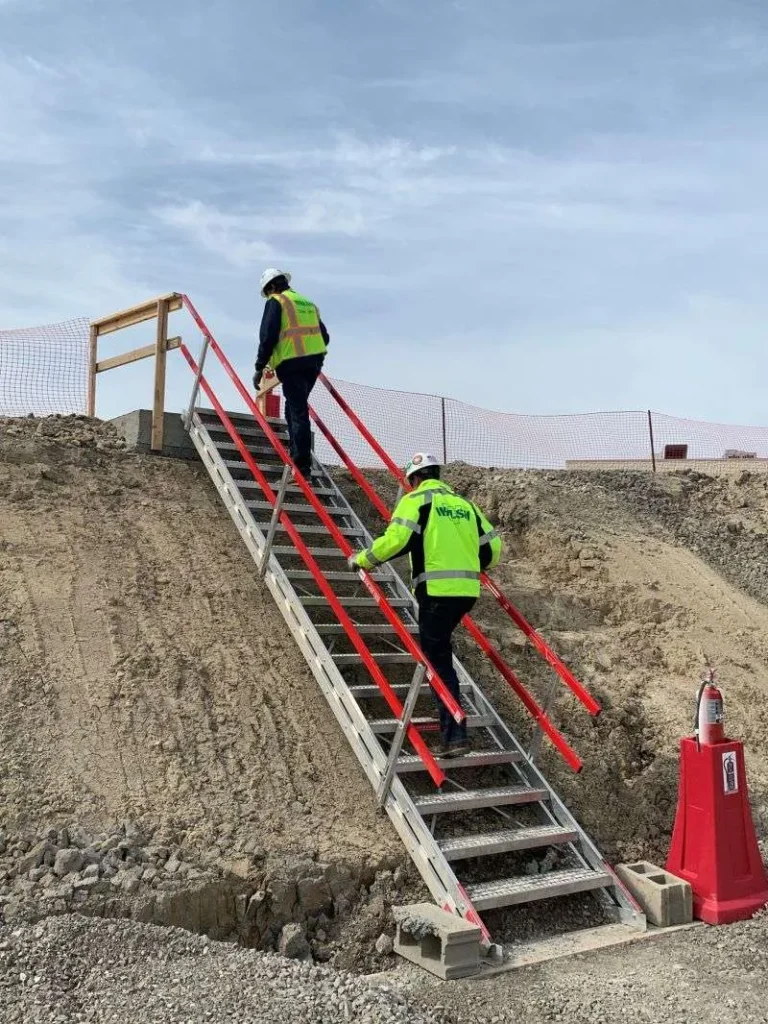
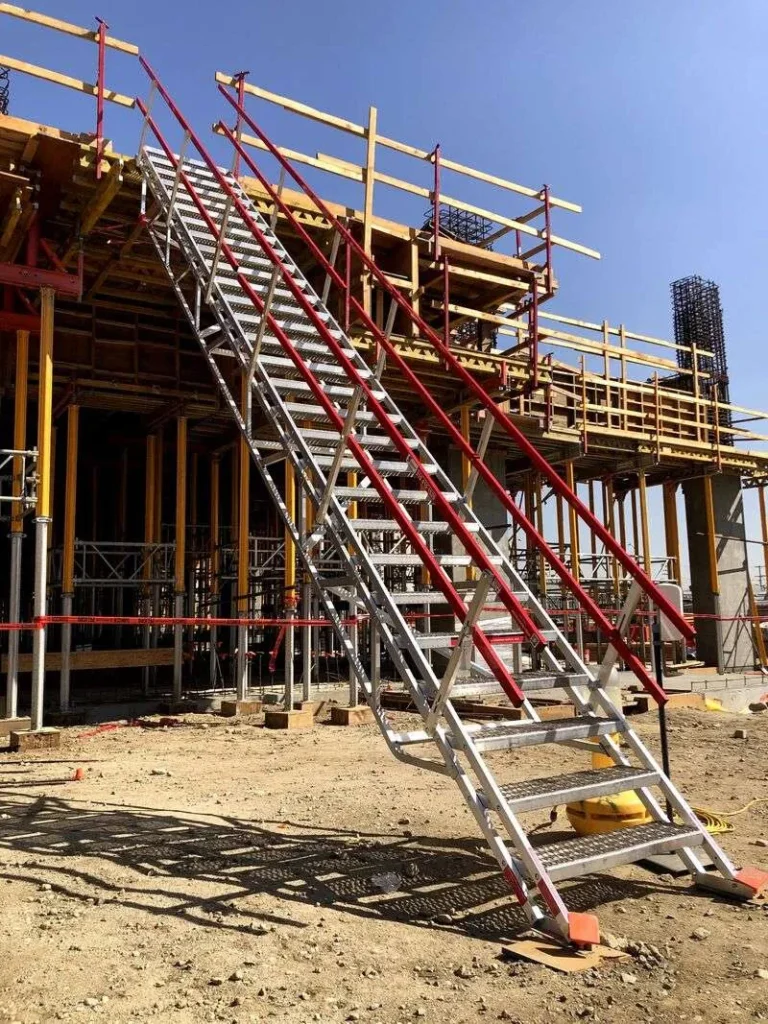
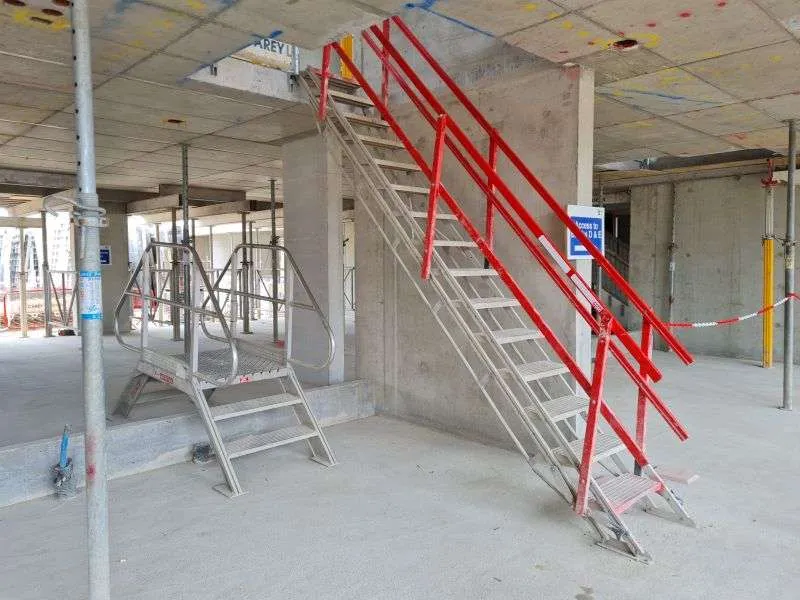
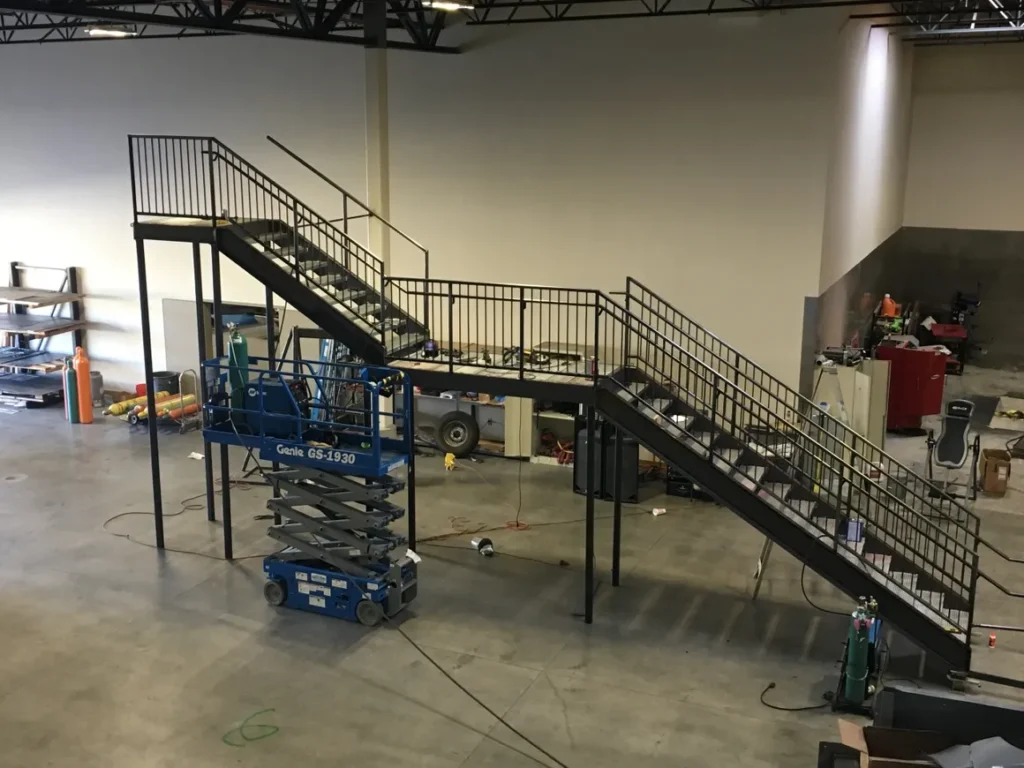
Building a new manufacturing facility or expanding an existing industrial operation comes with a long list of structural necessities. Among the most critical is ensuring safe and code-compliant access to rooftops, mezzanines, and equipment platforms.
In this blog post, we’ll explore the growing industrial market in California’s Central Valley, the essential safety codes governing fixed ladders, and how GPS Fabrication can provide custom-engineered solutions for your project.
Central Valley Industrial Boom | Why Access Matters Now
The Central Valley is currently experiencing a massive industrial surge. The region posted 1.4 million square feet of net absorption in the last year alone, with construction activity ramping up significantly as nearly all new projects are being built on a build-to-suit basis.
This isn’t just happening in major hubs like Fresno and Stockton; it is a region-wide expansion. With this rapid construction of warehouses, logistics centers, and manufacturing plants comes the urgent need for permanent access points. Employers are required to provide safe routes to every permanent elevated work location, making steel access ladders and stairs a foundational requirement for compliance and operational safety.
Why Steel Access Ladders Must Meet California’s Strict Safety Codes
When installing fixed steel access ladders in California, generic, off-the-shelf products often fall short. Fabricators and facility owners must adhere to rigorous standards that go beyond federal requirements.
California OSHA (Cal/OSHA) has specific mandates that differ from federal rules. For instance, California requires fall protection on all fixed ladders exceeding 20 feet, whereas federal OSHA traditionally set the trigger height at 24 feet. Furthermore, traditional ladder cages are being phased out entirely by 2036 in favor of more modern fall arrest systems.
Steel ladders installed in the Central Valley must meet the requirements of Title 8 of the California Code of Regulations, specifically Section 3277, which details construction standards for fixed ladders, and Section 3278, which covers their proper use. These standards ensure that rungs are properly spaced and that ladders can support the maximum intended load required for routine maintenance and safety.
Additionally, the International Building Code (IBC) influences local codes. The IBC mandates specific dimensions for roof access ladders. Typically, the ladder width must be between 16 and 24 inches, with a clearance of at least 7 inches from the wall to prevent hand entrapment. Rungs must be spaced between 10 and 12 inches on center to provide a stable climb. For any ladder over 24 feet in height, additional handrails or safety cages are generally required to prevent serious accidents.
The Fabrication Advantage | Custom vs. Standard
Given the complexity of these codes, relying on standard ladders is rarely sufficient. Every facility has unique structural nuances—be it high parapet walls, tight roof hatches, or specific load-bearing requirements. Custom fabrication allows the ladder to be engineered to fit the exact location, ensuring that rungs are level and the structure is anchored to resist wind, vibration, and heavy maintenance activity.
GPS Fabrication, based in Fresno, CA, specializes in precisely this work. As a company listed on the Procore Construction Network, they focus on Steel Construction, Stairs & Railings, serving markets ranging from Commercial and Industrial to Energy and Infrastructure. Their experience spans projects with contract sizes between $100,000 and $1,000,000, indicating a capacity to handle substantial industrial builds that require high-quality, engineered steel components. For project managers in the Central Valley looking for a reliable partner, working with a local specialty contractor who understands the terrain and the local building department interpretations is a strategic advantage.
Conclusion | Building Up Safely
As the Central Valley continues to break ground on millions of square feet of industrial space, the demand for secure, code-compliant steel access ladders will only increase. Safety is not just about avoiding citations; it is about protecting the workforce that keeps the region’s economy moving.
By partnering with experienced fabricators like GPS Fabrication, businesses can ensure their elevated workstations are accessible and fully compliant with Cal/OSHA Title 8 and IBC standards. If your next project involves rooftop HVAC maintenance, mezzanine access, or industrial platform stairs, ensure your steel infrastructure is built to last with custom fabrication.